Keywords: Skincare business Nigeria, NAFDAC registration, skincare compliance Nigeria, cosmetic brand law, skincare regulation Nigeria, trademark skincare brand, influencer advertising law Nigeria, cosmetic liability Nigeria
Nigeria’s skincare industry has experienced remarkable growth over the last decade. Across social media platforms, marketplaces, and physical stores, new skincare brands emerge almost daily, promising: brighter skin, clearer complexions
acne treatment, anti-aging solutions, glowing skin, organic formulations, whitening products, and natural” skincare remedies.
The industry has become highly commercial, highly influential, and increasingly profitable. However, beneath the attractive packaging, influencer campaigns, and viral marketing lies a reality that is often overlooked; skincare is not merely a beauty business. It is a business that directly affects the human body, and this distinction is extremely important.
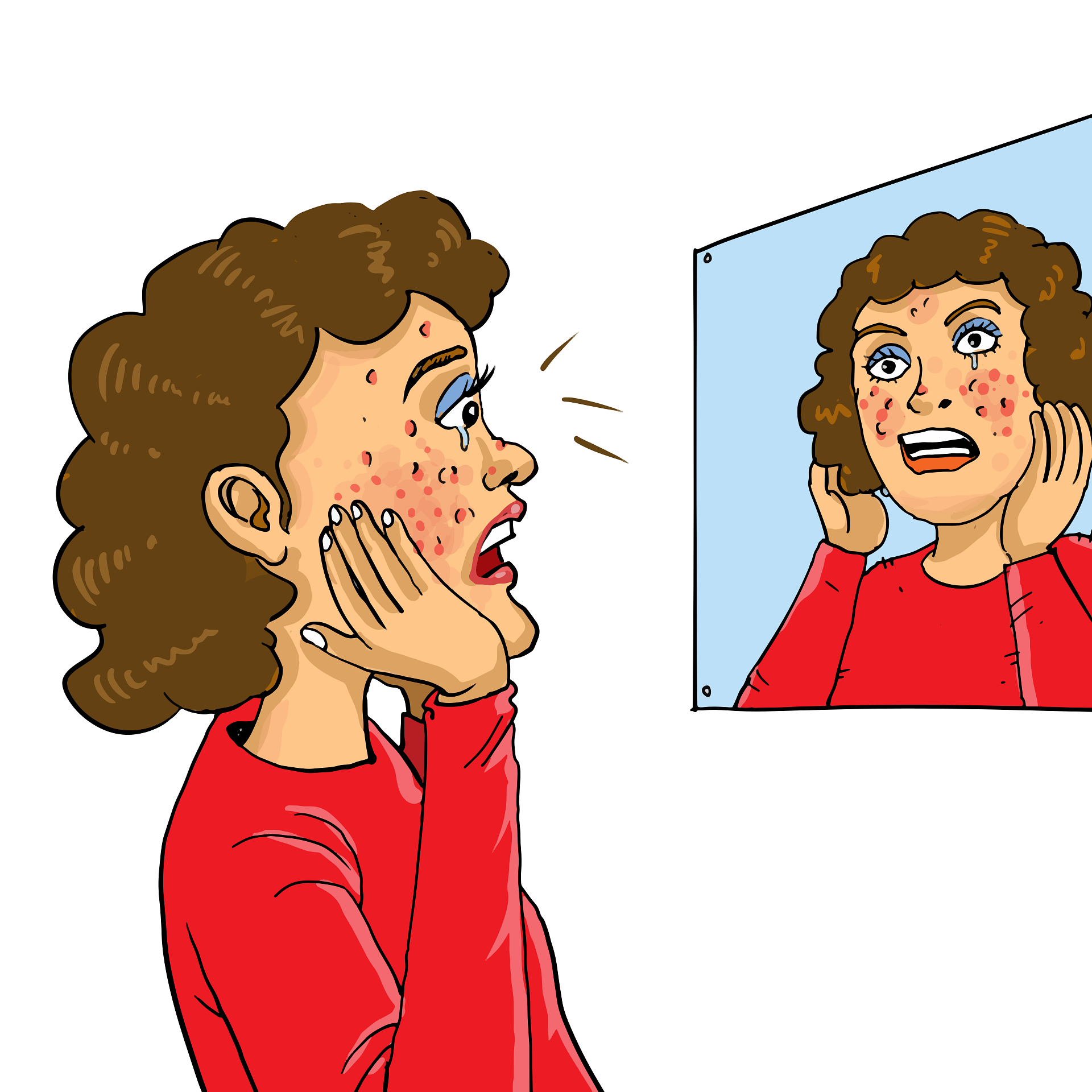
Unlike many ordinary consumer products, skincare products are applied to the skin, absorbed into the body, and may significantly affect a person’s physical health and appearance. Improper formulations, unsafe ingredients, false claims, or poor production standards may result in: skin damage, allergic reactions, burns, infections, long-term complications, reputational harm, and legal liability
Yet despite these risks, the industry has also become one of the easiest spaces for individuals to enter without proper expertise, regulatory awareness, or product accountability.
Today, many people venture into skincare simply because:
- A mixture worked personally for them
- They watched online tutorials
- They purchased unverified formulations
- They learned informally through social media
- They saw skincare trends become commercially successful
Unfortunately, what works for one individual may become harmful to another.
Human skin differs significantly based on:
- Skin type
- Allergies
- Sensitivity
- Medical conditions
- Environmental factors
- Hormonal reactions
- Ingredient tolerance
A formulation suitable for one person may trigger severe reactions in another, and this is one of the reasons regulation within the skincare industry is so important.
Why Skincare Businesses Are Highly Sensitive
Many founders approach skincare branding primarily from a marketing perspective:
- Packaging
- Aesthetics
- Social media visibility
- Influencer promotion
- Branding
While branding is important, skincare products ultimately interact with human health.
This means skincare businesses operate within a space where the following become extremely important:
- Consumer protection
- Public safety
- Product integrity
- Ingredient transparency
- Advertising accuracy
The law therefore does not merely concern itself with selling products. It also concerns:
- What is being sold
- How it is produced
- What claims are being made
- Whether consumers are being misled
- Whether public safety is protected
- The Role of NAFDAC
In Nigeria, one of the most important regulatory authorities within the skincare and cosmetics sector is the National Agency for Food and Drug Administration and Control (NAFDAC).
NAFDAC plays a critical role in regulating:
- Cosmetics
- Skincare products
- Soaps
- Creams
- Lotions
- Body oils
- Beauty products
- Related consumables
The purpose of regulation is not merely administrative.
It is largely about:
- Public health protection
- Product safety
- Quality assurance
- Consumer confidence
- Accountability within manufacturing and distribution processes
This is why product registration and regulatory oversight matter.
A Common Misconception Among Small Skincare Brands
One of the most common misconceptions within the Nigerian skincare space is the assumption that:
small-scale operations are exempt from regulatory responsibility.
Many founders or individuals believe:
“I only sell online.”
“I only produce in small quantities.”
“I mix products myself.”
“My customers are mainly friends and followers.”
Therefore, they assume formal compliance is unnecessary.
However, once products are being commercially distributed to the public, important legal and regulatory considerations arise.
The size of the business does not necessarily eliminate potential liability if consumers suffer harm.
The Problem of Unverified Formulations
The rise of online beauty culture has significantly increased informal skincare formulation practices.
Today, it is common to find:
- Unverified bleaching mixtures
- Improperly measured active ingredients
- Products lacking ingredient transparency
- Dangerous chemical combinations
- Imported raw materials without proper verification
Some products are marketed aggressively despite little understanding of:
- Dermatological impact
- Chemical interaction
- Dosage safety
Long-term effects
This becomes particularly dangerous where consumers:
- Rely heavily on social media recommendations
- Assume “natural” means safe
- Trust influencer endorsements without verification
The reality is:
not every product marketed as skincare is professionally formulated or properly tested.
When Personal Experience Becomes Commercial Advice
Another growing issue within the industry is the commercialisation of personal skincare experiences.
A person may use a product that works effectively for them personally and then begin recommending or selling similar formulations to others. However, skincare is not universally predictable.
A product that improves one person’s skin may cause:
- Irritation
- Inflammation
- Allergic reactions
- Hyperpigmentation
- Severe sensitivity
for another individual.
This is why professional testing, proper formulation practices, and regulatory oversight matter. Skincare should not simply be treated as experimental mixing followed by online marketing.
Labeling and Product Transparency
One area many skincare founders underestimate is product labeling.
Labels are not merely branding tools, they are also important compliance and consumer protection instruments.
Important information consumers may expect includes:
- Ingredient disclosure
- Usage directions
- Warnings
- Manufacturer information
- Batch details
- Expiry information
- Cautionary instructions
Poor labeling creates both consumer safety concerns, and potential legal exposure. Misleading labels may also damage trust within the industry.
The Importance of Trademark Protection
In the highly competitive skincare industry, branding is extremely valuable.
Brand names, logos, packaging identity, slogans, and product recognition often become central business assets.
Unfortunately, many founders focus heavily on:
- Product marketing
- Influencer campaigns
- Packaging aesthetics
while neglecting trademark protection.
This creates risks such as:
- Brand imitation
- Counterfeit products
- Naming disputes
- Loss of market identity
As skincare businesses scale, intellectual property protection becomes increasingly important.
A strong brand without legal protection may become vulnerable to exploitation.
Influencer Advertising and Marketing Risks
Social media has transformed skincare marketing in Nigeria. Today, many skincare brands grow primarily through:
- Influencers
- Testimonials
- Before-and-after videos
- TikTok marketing
- Instagram promotions
- Celebrity endorsements
While influencer marketing can be commercially effective, it also creates legal and ethical concerns.
Some advertisements make exaggerated claims involving:
- Permanent skin transformation
- Guaranteed results
- Unrealistic timelines
- Medical-style assurances
Others fail to disclose:
- Sponsored promotions
- Product risks
- Potential side effects
This becomes problematic where consumers rely heavily on these representations before making purchasing decisions.
Marketing should not become misleading simply because it is digital.
Counterfeit Products and Brand Reputation
The skincare industry also faces significant issues involving counterfeit and imitation products. As brands grow in popularity, counterfeiters may attempt to replicate:
- Packaging
- Product names
- Formulations
- Labels
This creates:
- Reputational damage
- Consumer confusion
- Financial loss
- Public health risks
Founders must therefore think beyond sales and consider:
- Brand protection
- Supply chain integrity
- Distributor control
- Product authenticity measures
Liability Risks Within the Skincare Industry
One of the most important realities skincare founders must understand is this:
A skincare business may face serious consequences if consumers suffer harm from products.
Potential issues may include:
- Allergic reactions
- Burns
- Contamination
- Unsafe ingredients
- Misleading instructions
- Defective manufacturing
- Adverse side effects
This is why the following become extremely important:
- Documentation
- Quality control
- Proper formulation
- Compliance systems
- Transparent communication
The more a skincare business grows, the more important operational structure and risk management become.
Building a Sustainable Skincare Brand
Many skincare brands focus heavily on:
- Aesthetics
- Virality
- Quick sales
- Influencer traction
However, long-term sustainability within the industry often requires more than visibility.
It requires:
- Product integrity
- Consumer trust
- Compliance awareness
- Operational discipline
- Proper branding protection
- Responsible marketing
- Quality assurance
In sensitive industries involving human health and body care, trust becomes one of the most valuable business assets.
What Skincare Founders Should Consider Early
Before scaling a skincare business, founders should carefully assess:
- Product safety considerations
- Formulation standards
- Regulatory obligations
- Labeling requirements
- Trademark protection
- Advertising practices
- Manufacturing processes
- Distributor accountability
- Customer safety risks
Building responsibly from the beginning is often more sustainable than attempting to solve compliance problems after growth has already occurred.
In conclusion, Nigeria’s skincare industry continues to present enormous opportunities for innovation, entrepreneurship, and brand growth. Yet the industry also occupies a highly sensitive space because skincare products directly affect the human body. This is why regulation, transparency, product integrity, and consumer protection remain important.
A skincare business is not merely about creating attractive packaging or viral social media content. It involves responsibilities that touch on; public safety, consumer trust, health considerations, legal accountability, and ethical business practice.
As the industry continues to grow, the brands most likely to endure may not necessarily be the loudest or most viral, but those built on; trust, structure, professionalism, compliance awareness, product responsibility.
In the skincare industry, visibility may attract customers temporarily, but trust, safety, and accountability are what sustain brands long-term.