
In many jurisdictions, the role of the Company Secretary has traditionally been viewed as administrative, limited to record-keeping, filings, and ensuring compliance with statutory requirements. However, in modern business practice, this perception has evolved significantly. The Company Secretary now occupies a central position within the governance framework of an organisation, serving not merely as a compliance officer, but as a strategic adviser on corporate governance, regulatory matters, and board effectiveness.
As businesses grow in complexity and regulatory environments become more demanding, the importance of sound governance structures has become increasingly apparent. In this context, the role of the Company Secretary has expanded to meet the needs of modern enterprises seeking not only compliance, but clarity, structure, and sustainable growth.
The Legal and Institutional Framework
Under Nigerian law, the appointment of a Company Secretary is recognised as a key component of corporate administration. The Companies and Allied Matters Act 2020 (CAMA) provide for the appointment of a Company Secretary, particularly for public companies, and outlines certain expectations regarding competence and capacity.
Beyond statutory provisions, the role is further shaped by principles of corporate governance, including those reflected in codes such as the Nigerian Code of Corporate Governance. These frameworks collectively emphasise accountability, transparency, and effective oversight areas in which the Company Secretary plays a critical role.
From Administrative Function to Strategic Role
While compliance remains a core responsibility, the modern Company Secretary’s role extends far beyond routine filings and documentation. At its core, the function has evolved into one of governance coordination and advisory.
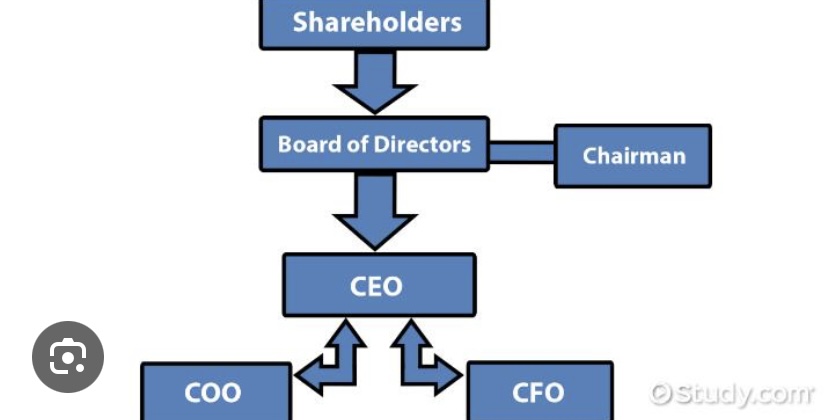
The Company Secretary serves as a bridge between the board of directors, management, and, in some cases, shareholders. This position requires not only legal knowledge, but also an understanding of business operations, regulatory expectations, and governance best practices.
In contemporary practice, the Company Secretary contributes to the design and implementation of governance frameworks, ensuring that decision-making processes within the organisation are structured, documented, and aligned with applicable laws and policies.
Key Responsibilities in Modern Businesses
The responsibilities of a Company Secretary may be broadly categorised into governance, compliance, and advisory functions.
From a governance perspective, the Company Secretary is responsible for ensuring that board processes are properly conducted. This includes organising meetings, preparing agendas, maintaining accurate records of proceedings, and ensuring that decisions are properly documented and implemented.
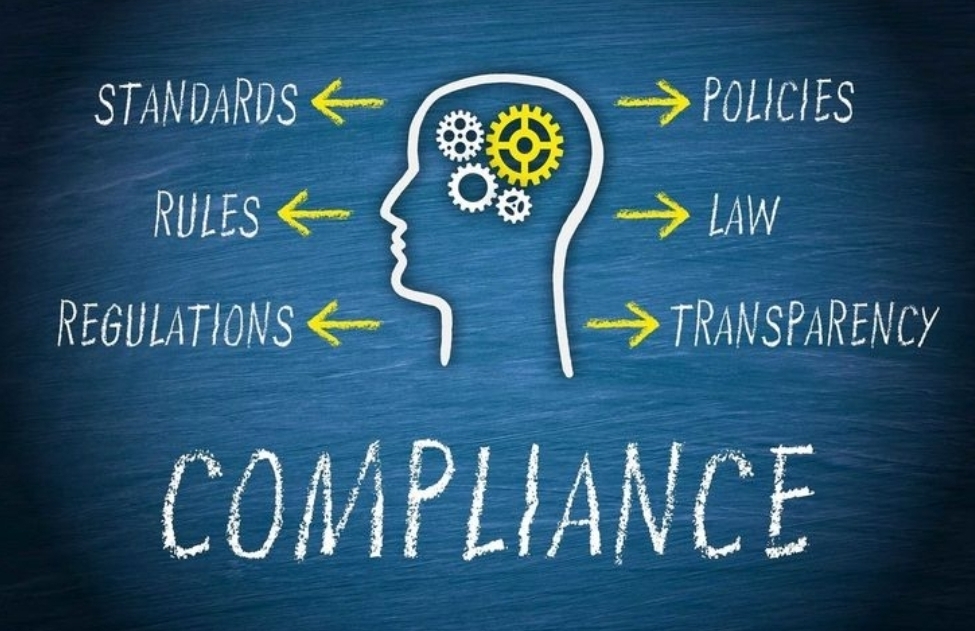
In terms of compliance, the Company Secretary ensures that the company adheres to statutory and regulatory requirements. This includes filings with regulatory authorities, maintenance of statutory registers, and monitoring of legal obligations as they evolve.
Perhaps most significantly, the advisory role has become increasingly prominent. The Company Secretary provides guidance to the board on governance matters, regulatory developments, and the legal implications of corporate decisions. This advisory function is critical in helping businesses anticipate risks and maintain compliance proactively, rather than reactively.
The Company Secretary and Board Effectiveness
Effective corporate governance is largely dependent on the quality of board processes and decision-making. In this regard, the Company Secretary plays a vital role in enhancing board effectiveness.
By ensuring that directors are properly informed, meetings are structured, and decisions are documented, the Company Secretary contributes to a governance environment that supports accountability and transparency. In addition, the Company Secretary may assist in onboarding new directors, facilitating board evaluations, and ensuring adherence to governance policies.
In many modern organisations, the Company Secretary is regarded as the custodian of governance standards, ensuring that the board operates within a framework that supports both compliance and strategic oversight.
Relevance for Startups and Growing Businesses
A common misconception is that the role of the Company Secretary is only relevant for large or public companies. In reality, governance considerations are equally important; if not more so, for startups and growing businesses.
Early-stage companies often operate with informal structures, which may suffice in the short term but can create challenges as the business scales, attracts investment, or enters regulated markets. The introduction of governance structures at an early stage can help mitigate these risks and position the business for sustainable growth.
A Company Secretary, or governance adviser performing a similar function, can assist such businesses in establishing clear processes, maintaining proper records, and ensuring that key decisions are documented and defensible.
Governance as a Strategic Advantage
In an increasingly competitive and regulated environment, governance is no longer a mere compliance requirement, it is a strategic advantage. Businesses that demonstrate strong governance frameworks are often better positioned to attract investors, secure partnerships, and navigate regulatory challenges.
The Company Secretary plays a central role in achieving this by embedding governance into the operational fabric of the business. This includes aligning corporate practices with legal requirements, ensuring transparency in decision-making, and fostering a culture of accountability.
In conclusion, the role of the Company Secretary in modern businesses has evolved from a largely administrative function to a strategic position at the heart of corporate governance. While compliance remains an essential component, the true value of the role lies in its ability to support structured decision-making, enhance board effectiveness, and ensure alignment with regulatory and governance standards.
As businesses in Nigeria and beyond continue to grow in complexity, the need for sound governance structures will only increase. In this context, the Company Secretary is not merely a statutory requirement, but a key contributor to the long-term stability and success of an organisation.