
Every startup begins with a moment of clarity. An idea takes shape, conversations begin, and what was once abstract starts to feel real. Founders move quickly at this stage, driven by urgency, excitement, and the desire to bring something new into the world. There is often a strong focus on building the product, refining the concept, and getting to market as soon as possible. In the middle of all this, legal considerations are frequently postponed, not because they are unimportant, but because they do not appear as immediately pressing as product development or growth.
However, experience consistently shows that the legal foundation of a startup is not something that can be deferred without consequence. What is left unaddressed at the beginning often reappears later in more complex and costly forms. The difference between a business that scales smoothly and one that encounters avoidable setbacks is often rooted in the decisions made at this early stage.
Defining the Business Beyond the Idea
A startup is more than an idea or a product; it is a legal and commercial structure through which relationships, obligations, and value are defined. This is why one of the first considerations should be how the business is formally established. Many founders begin informally, particularly when the venture is initiated among friends or trusted collaborators. While this approach may seem sufficient at the outset, it rarely provides the clarity required as the business evolves. Questions around ownership, control, and responsibility inevitably arise, and without a clear legal structure, these questions can become difficult to resolve.
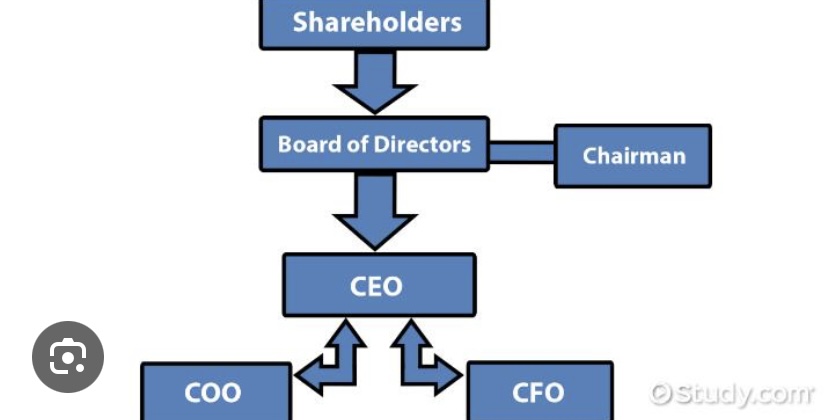
Establishing the appropriate business structure is therefore not merely a procedural step but a strategic decision. It determines how the business operates, how decisions are made, and how value is distributed. It also shapes how the business is perceived by investors, partners, and regulators. A properly structured entity provides a stable framework within which the startup can grow, while an informal arrangement often introduces uncertainty at critical moments.
Closely connected to structure is the need for clear and well-drafted agreements. There is a common reluctance among founders to formalise their relationships at an early stage, particularly when there is a strong sense of trust. However, legal agreements are not instruments of distrust; they are tools for alignment. They ensure that all parties have a shared understanding of their roles, contributions, and expectations. A founder agreement, for instance, can address issues such as equity distribution, decision-making processes, and the procedure for handling departures or disputes. Without such clarity, even well-intentioned relationships can become strained under pressure.
Putting Agreements in Place Early
In addition to internal arrangements, startups must also consider their external relationships. Developers, designers, consultants, and other collaborators often play a significant role in building the business. Where these engagements are not properly documented, questions may arise regarding ownership of the work produced. It is not uncommon for startups to discover that key elements of their product are not legally secured in the way they assumed. Ensuring that intellectual property rights are properly assigned and protected is therefore an essential part of building a sustainable business.
Protecting What You Are Building
Branding presents a similar challenge. A name, logo, or identity may become closely associated with a startup’s value, yet many founders do not take steps to verify or protect these elements at an early stage. This can lead to conflicts that disrupt operations or require costly rebranding efforts. Addressing intellectual property considerations early allows the business to build with confidence, knowing that its core assets are secure.
Understanding the Regulatory Landscape
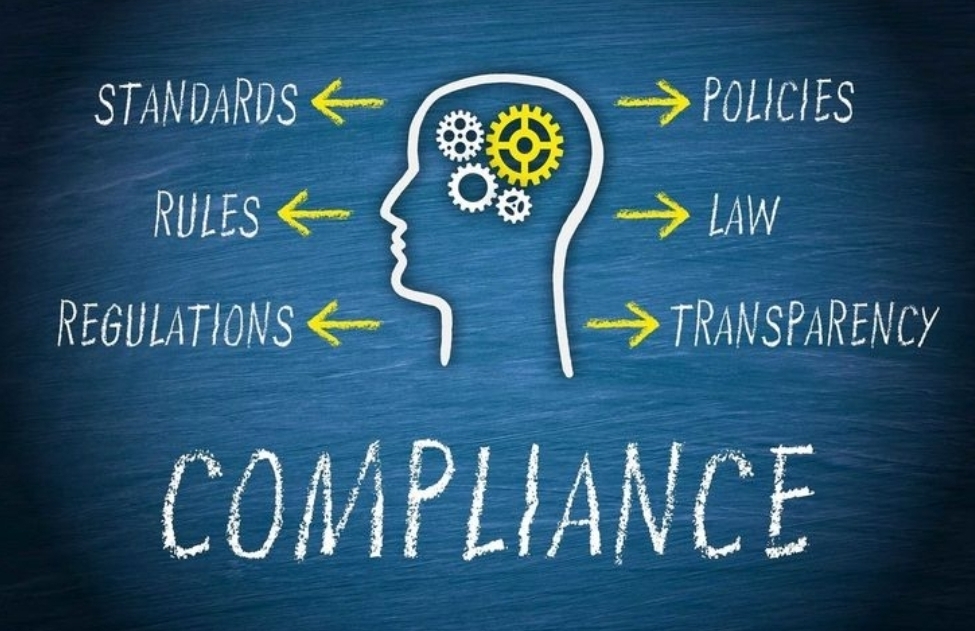
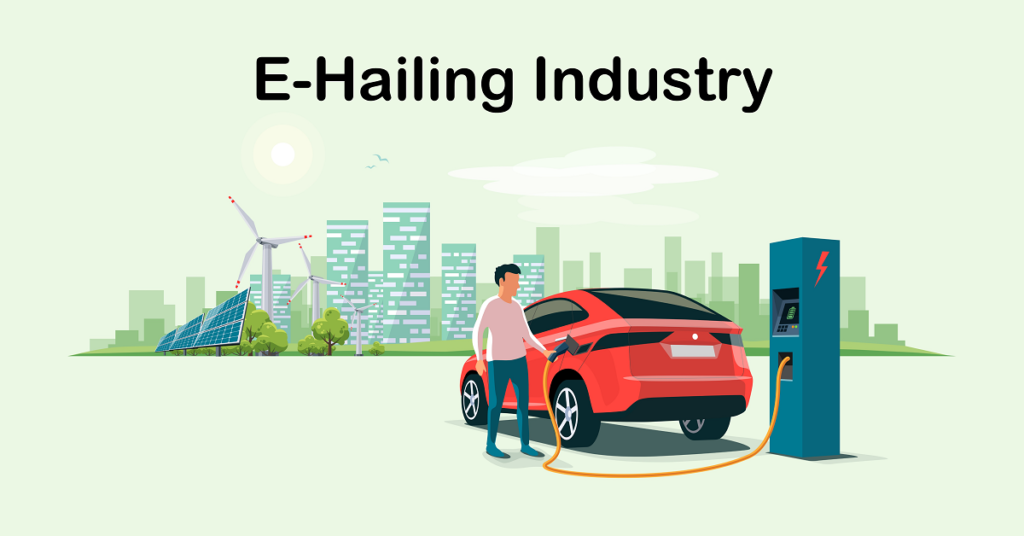
Regulation is another area that requires careful attention. Depending on the nature of the business, there may be legal requirements that apply from the outset, particularly in sectors such as technology, finance, transportation, and data-driven services. Startups that collect and process user data, for example, must be mindful of data protection obligations. Similarly, platforms that facilitate certain types of transactions or services may fall within regulated frameworks that require licences or approvals. These considerations are not obstacles to innovation; rather, they are part of the environment within which the business operates. Understanding them early allows founders to design their operations in a way that is both compliant and sustainable.
Thinking Ahead, Even at the Early Stage
It is also important for founders to adopt a forward-looking perspective, even at the earliest stage. Decisions made at the beginning of a startup’s journey can have lasting implications for its ability to attract investment, expand into new markets, or restructure as it grows. A business that is built with scalability in mind is far better positioned to take advantage of opportunities when they arise. This does not require perfection, but it does require intentionality and a willingness to engage with the legal and structural aspects of the business from the outset.
How We Support Founders at This Stage
At Metalex Legal, we work with founders at precisely this stage, where ideas are transitioning into viable businesses. Our approach is grounded in the understanding that legal support should not be abstract or overly complex, but practical and aligned with the realities of building. We assist startups in establishing the right legal structure, developing clear and effective agreements, protecting their intellectual property, and navigating regulatory requirements. Our team also brings specific expertise in areas such as data protection and technology law, which are increasingly central to modern businesses.
Beyond the technical aspects, our role is to provide clarity. We help founders understand not only what needs to be done, but why it matters and how it fits into their broader goals. By doing so, we enable them to make informed decisions and to build with confidence, knowing that their legal foundation can support their ambitions.
Building a startup will always involve uncertainty, and that uncertainty is part of what makes the process dynamic and rewarding. However, uncertainty should not extend to the fundamental structure of the business. Taking the time to establish a sound legal foundation is not a distraction from building; it is an integral part of it. It ensures that the effort invested in creating a product or service is supported by a framework that can sustain growth and adapt to change.
Before you build, it is worth considering not only what you are creating, but how you are creating it. The strength of that foundation will, in many ways, determine how far the business can go.